
Announcing the Next Editors for Social Problems
The SSSP Board of Directors is pleased to announce that they have approved Drs. David L. Brunsma and David G. Embrick to serve as the next editors of Social Problems. Beginning on June 1, 2027, the editorial office of Social Problems will move to Virginia Tech and the University of Connecticut. At that time, all new and revised submissions will be the responsibility of the new editorial team. Submissions will continue to route through ScholarOne Manuscripts.
Please join us in welcoming the new editorial team and in thanking Drs. Andrew Fullerton, Michael Long, Rachel Schmitz, and Kelley Sittner for their strong leadership and dedication as outgoing Editors of Social Problems.
Incoming Editors for Social Problems
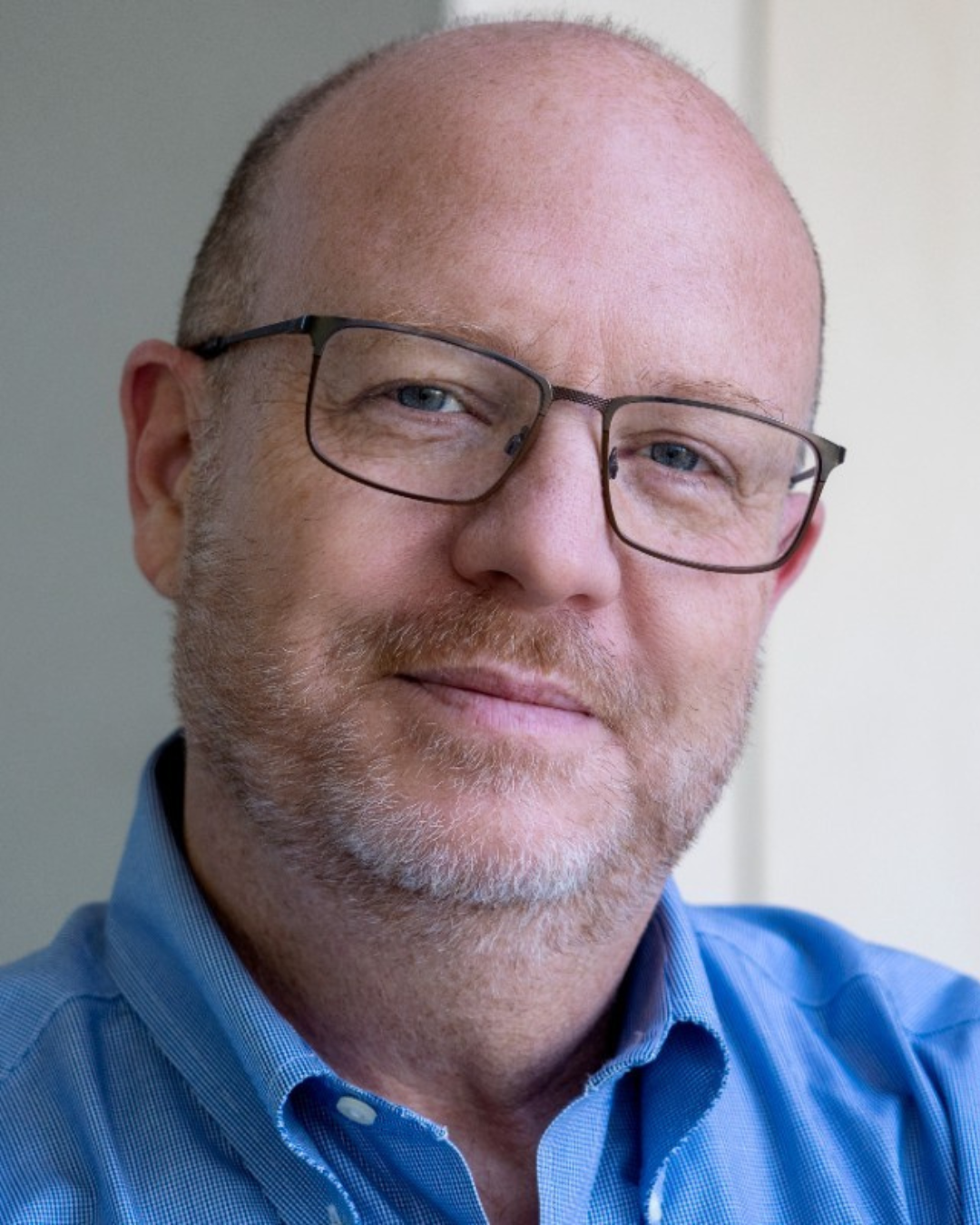
Dr. David L. Brunsma is a Professor of Sociology at Virginia Tech. Since receiving his PhD from the University of Notre Dame some three decades ago, he has forged his career in the discipline of sociology through an ethic of service, support, and mentorship, while maintaining an active research agenda that has spanned a wide range of areas, across theoretical and methodological approaches, including the study of multiracial identity formation and maintenance, public school uniform policies, the sociology of human rights, critical scholarship on race and racism, and the sociology of sociology, among others. His work in these areas has appeared in over twenty books, some forty journal articles, thirty book chapters, and other publicly facing outlets. He takes pride in supporting and mentoring graduate students and junior colleagues who are carving their paths as sociologists.
Over the years, Dr. Brunsma has served and engaged with many professional sociological societies and organizations, working to build organizational spaces that value and validate the richness and fullness, the breadth and depth, that is the discipline of sociology. He recently served over a decade as the Executive Officer of the Southern Sociological Society, served eight years as co-Founding Editor of Sociology of Race and Ethnicity (with David Embrick), both the academic journal (considered one of the top journals in the world that publishes scholarship on race and racism) and the book series with the University of Georgia Press. He is passionate about editing peer-reviewed journals, and, in addition to Sociology of Race and Ethnicity, has served as editor for Sociology Compass and Co-editor (with Keri Iyall Smith and Brian Gran) Societies Without Borders: Human Rights and the Social Sciences. He lives, loves, and continues to learn with his family in Blacksburg, VA.
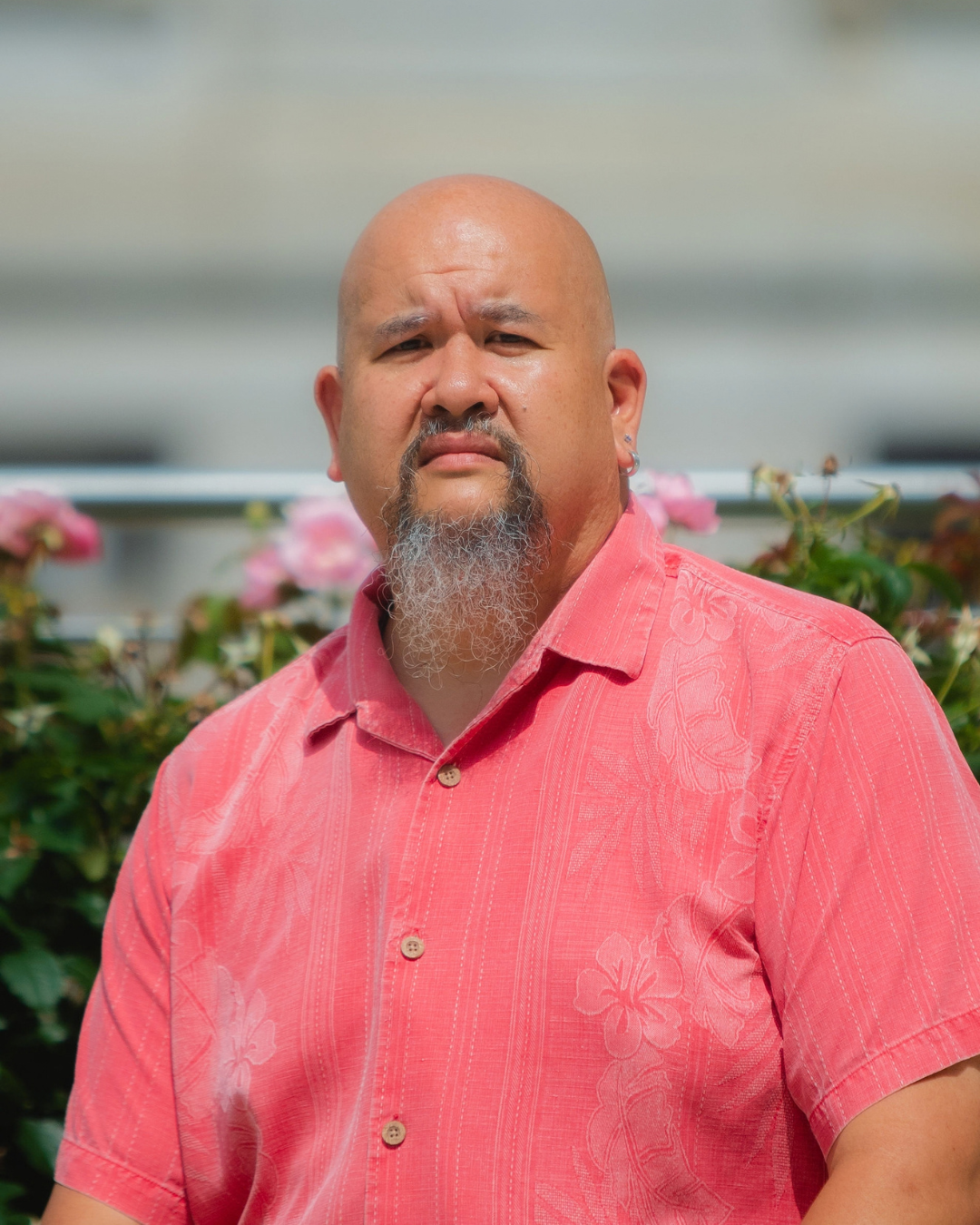
Dr. David G. Embrick is a Professor of Sociology and Africana Studies at UConn and the Director of Research and Community Engagement at UConn Hartford. He is also Director of the Research on Resilient Cities, Racism, & Equity (RRCRE) initiative and is a co-Director of the UConn Hartford CoLAB. Over the course of his career, Dr. Embrick has built a reputation as a scholar, teacher, mentor, and community-engaged researcher. His work focuses on how racism continues to shape the experiences and opportunities of people of color. His more recent work looks at global anti-Black racism, white sanctuaries, and the political and social reactions to racial progress.
Dr. Embrick has published widely and has been involved in academic leadership through several professional sociology organizations and journals, to include Co-Founding (with David L. Brunsma) one of the top current academic racism journals, Sociology of Race and Ethnicity. He also serves as the Founding Book Series Editor of Sociology of Diversity with Bristol University Press and Founding Book Series Co-Editor of Sociology of Race and Ethnicity (also with David L. Brunsma) with the University of Georgia Press.
At the heart of Dr. Embrick’s work, however, is mentoring. He is committed to helping students, and scholars (emerging, senior, and independent), find their voice, develop their ideas, navigate academia (especially the world of publishing), and build meaningful careers. He sees mentoring as more than simply giving advice. It is about listening, asking the right questions, sharing knowledge, opening doors when possible, and helping others grow into their own strengths. Mentoring is also a reciprocal relationship where strength comes from collectively learning, and doing.
