
2025 Featured Abstracts
Erika Houston Brown, Texas Woman’s University
Insecure: An Autoethnographic Study of Financial Insecurity and Mental Health Issues in Graduate Students
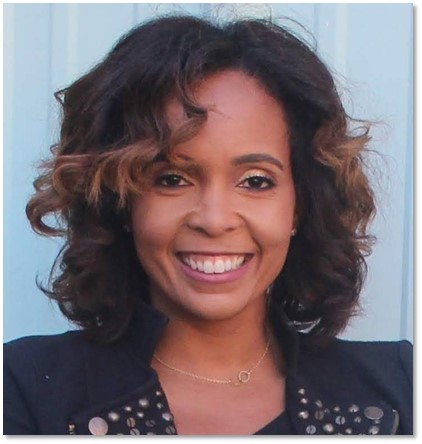 This critical autoethnography explores the transformative experience of collaborating with a colleague in the throes of a mental health crisis. I use poetry, recollections, text messages, social media, and critical reflexivity to interrogate how graduate school can be a mental health trigger due to limited funding offered to student employees. The first poem utilizes the structure of Gil Scott Heron’s critical piece, “Whitey on the Moon,” to emphasize the problem of mental health and income insecurity suffered by some graduate students who work at universities with billion-dollar endowments. Overall, this research highlights how a lack of resources (affordable housing, mental and physical health services, and living wages) can push those already on society’s fringes over the edge. I aim to contribute to the broader discourse on obtaining a graduate education as a financially insecure student, providing a nuanced perspective that highlights the personal and emotional dimensions of this experience.
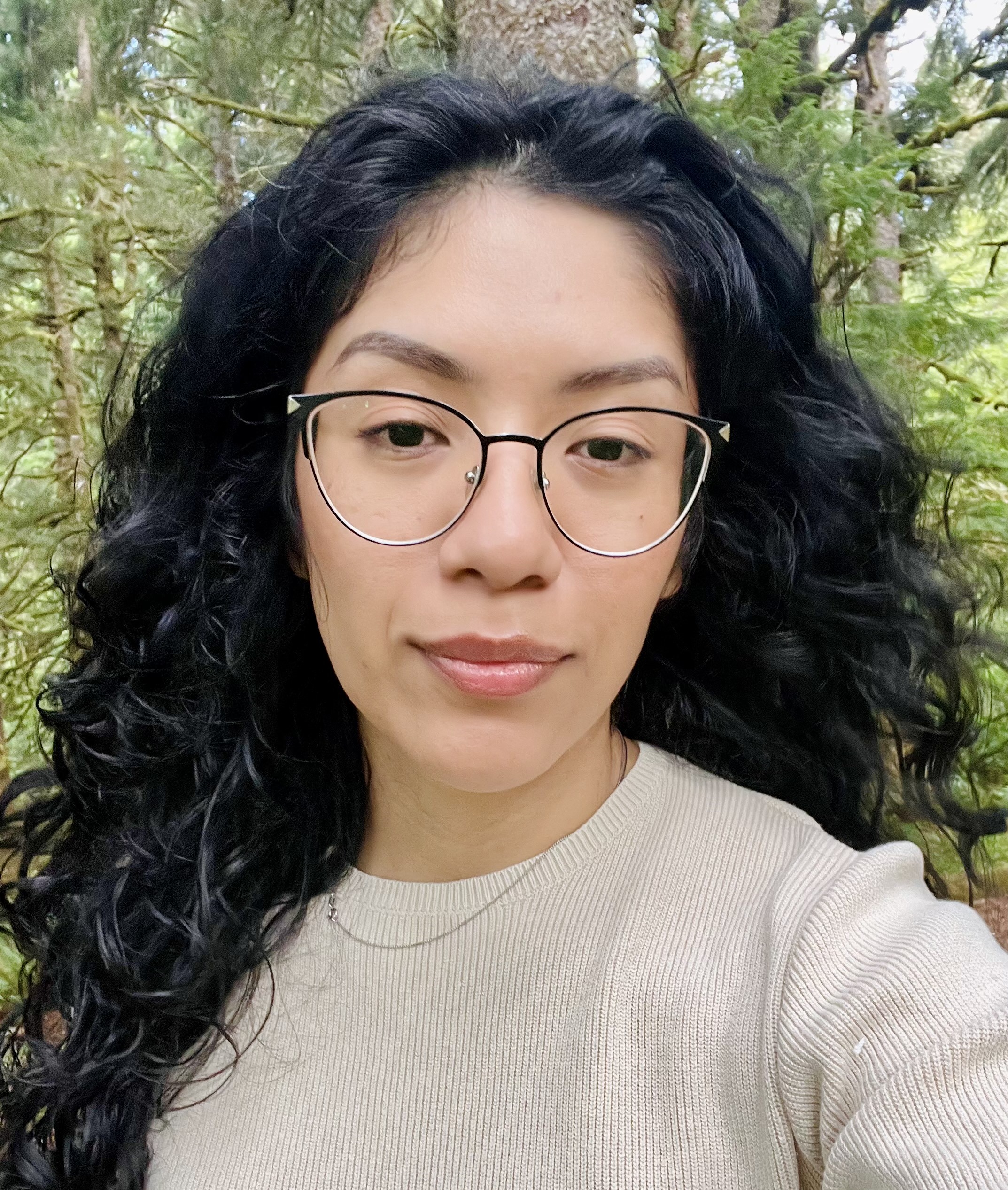
Natalie J. Cholula, Evident Change
Familismo and Fear: Narratives of Parent Separation and Legal Uncertainty Among Mexican and Central American Immigrants
 |
How do Mexican and Central American immigrants in the U.S. contend with transnational parent separation and immigration enforcement-related fears? This study focuses on Mexican and Central American immigrants' emotional and mental health impacts that intersect with parent separation and immigration-enforcement concerns. I interviewed 29 Mexican and Central American immigrants residing on the West Coast and the South who experienced prolonged separation from their parents for four years or more. By applying the framework of familismo to highlight the values and practices of family in Latine culture, I identified three significant themes concerning participants’ mental and emotional well-being. First, an important narrative is immigrants’ anxiety and depression due to being physically apart from their parents, often asking, "Will my parents still be there when I return?" Secondly, they must also manage immigration-related fears and constant feelings of uncertainty about their presence in the U.S. Immigrant parents face a dual burden; they worry about their own risk of deportation that could separate them from their children, but also feel guilt and regret for being away from their parents. Lastly, while immigrants cope with the separation from their parents, they also resist the challenges imposed by the immigration system by building and nurturing family relationships across borders. This study emphasizes the complex legal and mental health challenges faced by immigrants as they manage family relationships and immigration enforcement issues, including parent separation. It provides insights into the importance of transnational family ties for immigrants' well-being, offering valuable guidance for mental health practitioners and immigrant rights advocates working with this community to promote their overall well-being.
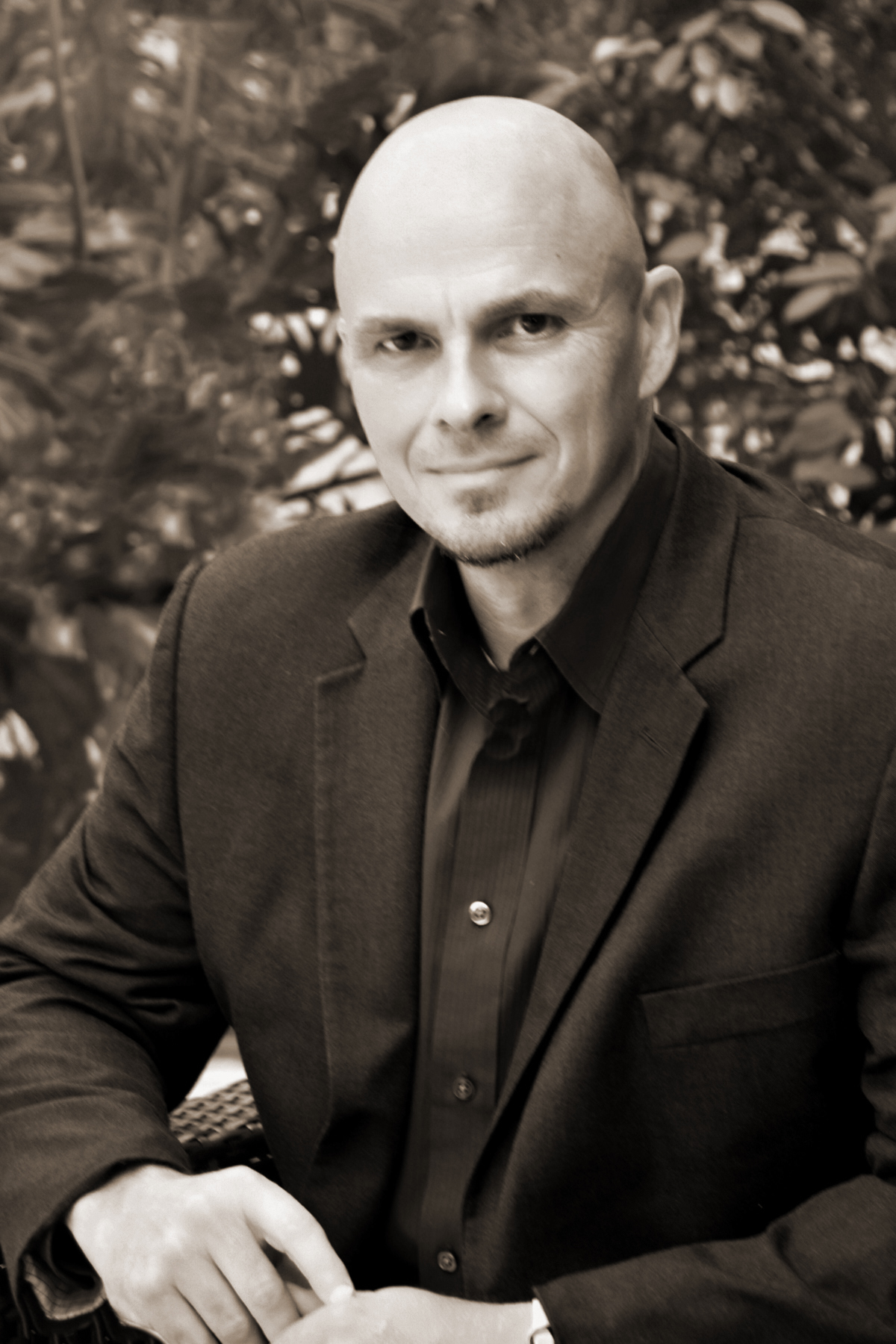
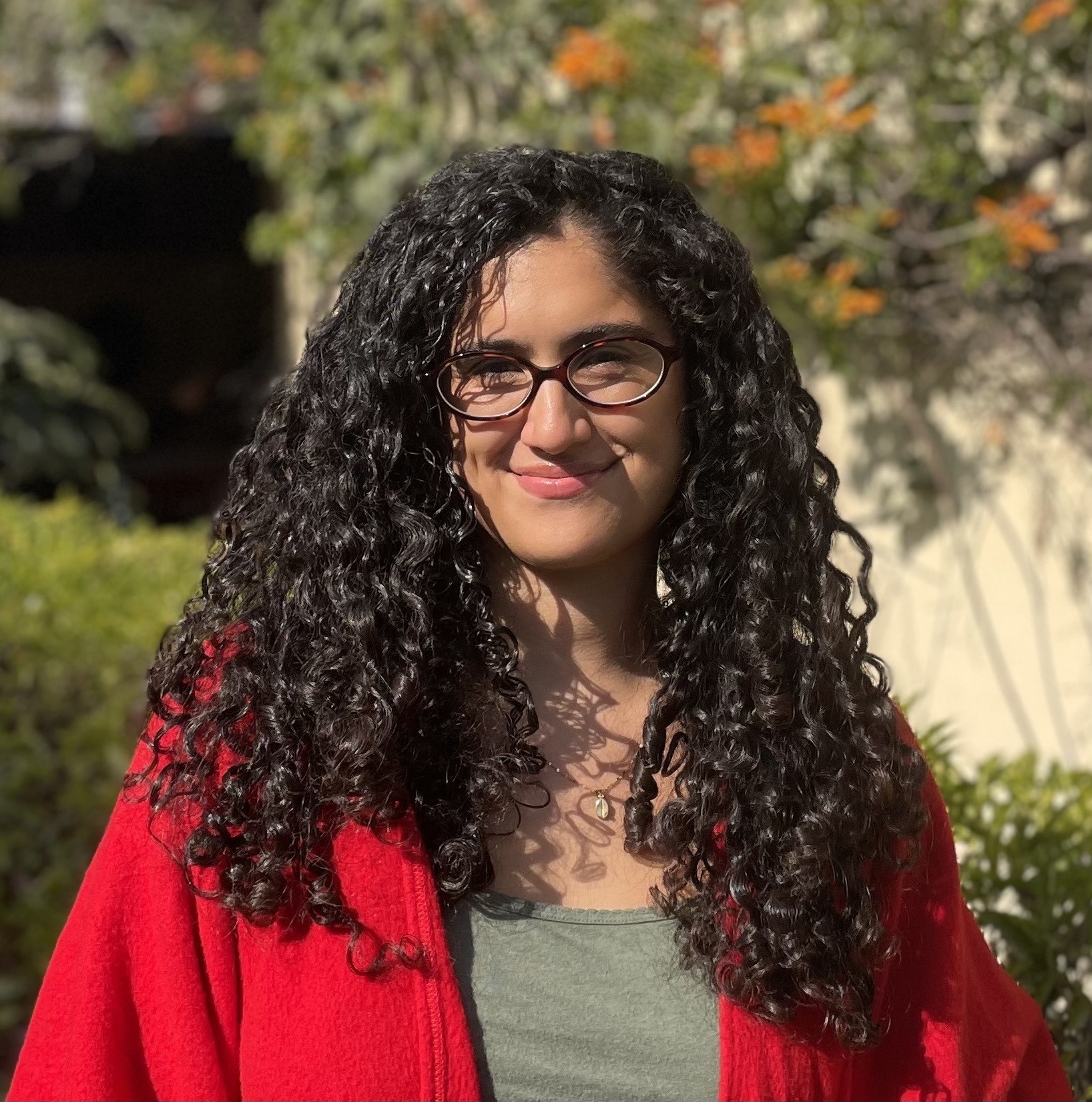
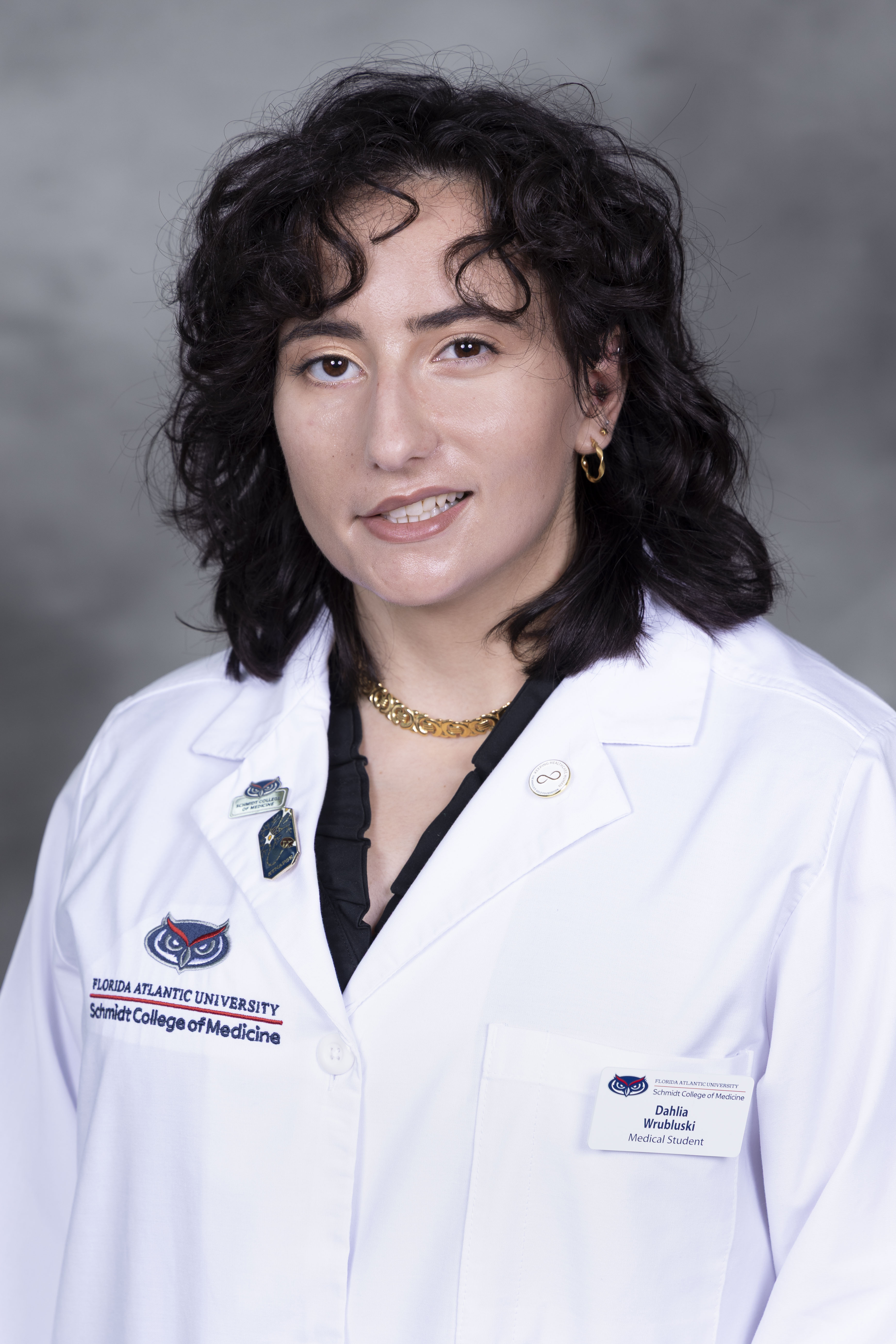
Estefany Londoño, Dahlia Wrubluski, Shannon Carter, Eric W. Schrimshaw, J. Scott Carter, Elena Cyrus, and Lindsay A. Taliaferro, University of Central Florida
DIY HRT Usage among Transgender and Non-Binary Young Adults in a Restrictive Climate
Objectives:
Ongoing and recent restrictions on trans healthcare access in Florida have compounded barriers faced by young adult transgender and non-binary (TGNB) individuals seeking or continuing gender-affirming hormone therapy (GAHT). Thus, many TGNB young adults have needed to navigate alternative pathways, reflective of insurgent and mutual aid strategies, to meet their healthcare needs. This study aimed to understand TGNB young adults’ reasons for and experiences navigating self-managed (e.g., unlicensed) GAHT within an increasingly restrictive sociopolitical landscape.
Methods:
This study utilized interviews with 105 racially and socioeconomically diverse TGNB young adults aged 18-26 across Florida. Quota sampling was used to ensure diversity of gender identity and race/ethnicity (33% transwomen, 33% transmen, 33% non-binary; 27% Black, 33% Hispanic/Latine (any race), 28% White, 12% Asian). Individual telephone interviews were conducted, audio-recorded, and professionally transcribed, with interviews averaging 2 hours. We performed focused coding in NVIVO using data gleaned from questions that addressed participants’ use of unlicensed GAHT. Using a thematic analysis, we examined participants’ reasons for seeking unlicensed GAHT, methods of obtaining and using unlicensed GAHT, and their feelings surrounding their practices.
Findings:
This study identified participants’ descriptions of their reasons for, practices surrounding, and emotions toward using unlicensed GAHT. Findings indicated that approximately 12% (n=12) of our sample successfully obtained unlicensed GAHT. Most participants who used unlicensed GAHT directly named restrictive laws as the reason they obtained unlicensed care. One participant whose clinical GAHT care was interrupted explained, “The legislation. That’s where I’m placing the blame because I was forced into a position where I was not able to access my medication.” Some participants lacked the financial and insurance resources to see a clinician, citing the affordability of unlicensed GAHT. Participants expressed a range of emotions related to their unlicensed GAHT practices. Many were grateful, stating that “Some trans women are angels sent from God. They were actually able to get me the hormones.” Another commented that it “was a great way to show a sense of community, solidarity.” A few participants expressed feelings of resolve, with one sharing, “I do not feel . . . regret about taking the actions that I’ve had to take.” Some shared their anxiety, stating, “It wasn’t fun getting it from a friend rather than a doctor.” Our findings demonstrate how financial barriers and restrictive legislation are prompting some trans individuals to utilize informal health practices, in-group networks, and other forms of mutual aid. These results bring attention to how marginalized communities adapt and survive in the face of restrictive sociopolitical landscapes, aligning with an insurgent sociological perspective on collective resistance and community-based care.
|
|
|
 |
 |
|
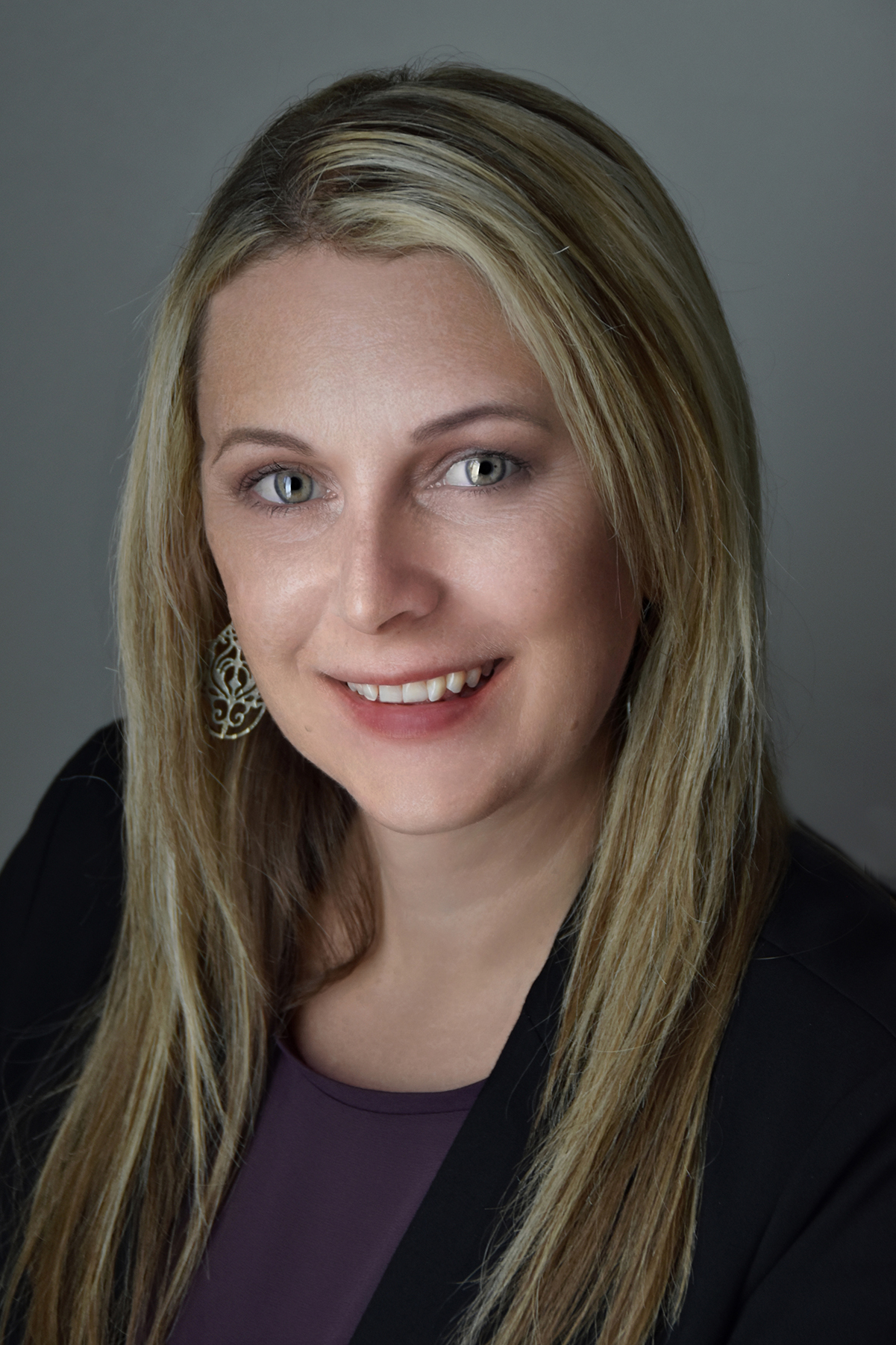
Estefany Londoño |
Dahlia Wrubluski | Shannon Carter | Eric W. Schrimshaw |
 |
 |
 |
|
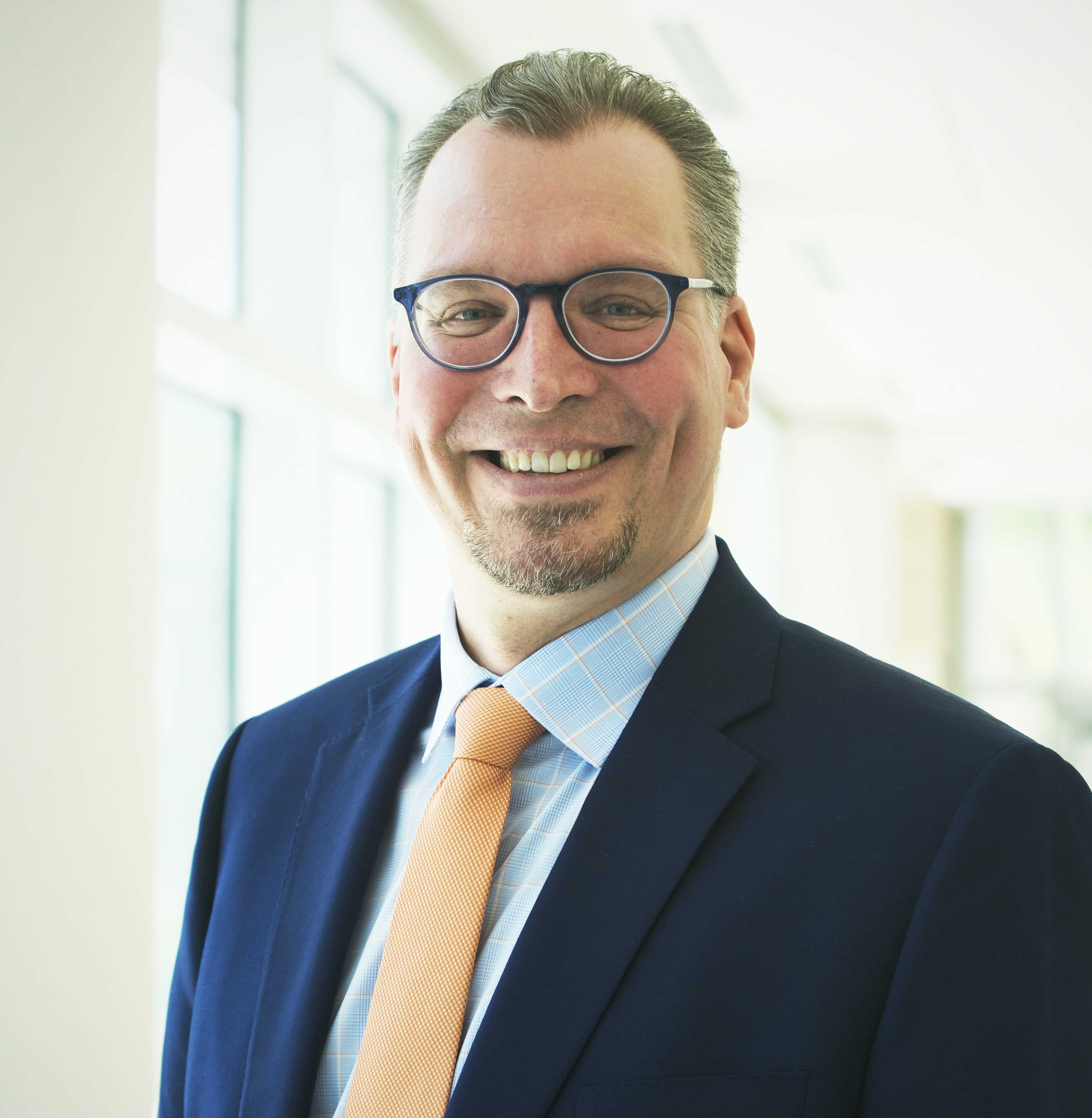
| J. Scott Carter |
Elena Cyrus |
Lindsay A. Taliaferro |
Robert L. Peralta, Auriel Jasper-Morris, Juan Xi, Daniela Jauk-Ajamie, Sanaullah Khan and Iris Luo, The University of Akron
The Association between Perceptions of Policing and African American Mental Health and Well-being
In this paper, we present findings from a multi-method study on the effects of policing on the well-being of the Black Community in a large, predominantly Black Midwestern city. Data collection for the project was carried out in collaboration with Black community organizations and an independent police oversight board. Our analysis draws on a dataset of surveys with adults and adolescents (n=127) as well as rich ethnographic data from five large community conversation events that were coded collaboratively by the multi-disciplinary team and community partners. We find that police inflicted trauma negatively impacts mental health and well-being of Black participants, yet, the Black community has developed strategies of resilience and coping, such as balancing between awareness and of police-brutality and self-preservation. Our findings overall reveal the importance of intersectional approaches when studying the impact of racialized policing. An intentional effort must be made to highlight the voices of underrepresented groups within the Black community such as youth, LGBTQIA+ individuals, and those with disabilities. We conclude by offering policy recommendations for policing, police oversight, legislative systems, as well as further research.
|
|
|
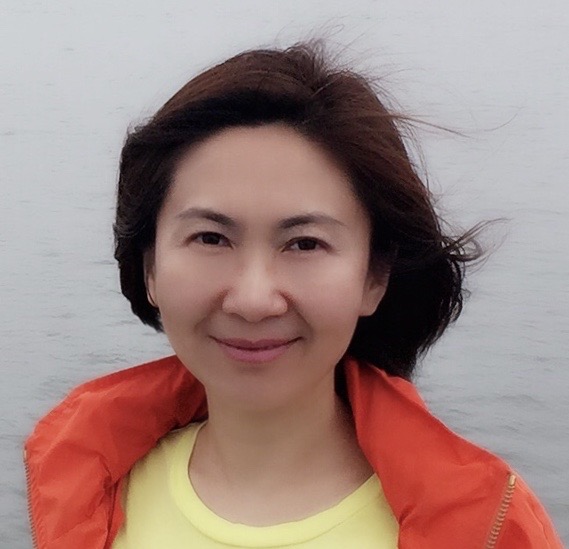 |
| Robert L. Peralta | Auriel Jasper-Morris | Juan Xi |
 |
 |
|
| Daniela Jauk-Ajamie |
Sanaullah Khan |
Iris Luo |
Alayne Unterberger, Florida Institute for Community Studies
The Kids Are Not Alright: How Florida's Government Creates Family Trauma
 |
This project encompasses a policy analysis of the many Executive Orders, laws, policies and programs used by the state of Florida to target youth and im/migrants. We take a critical look at the cumulative effects of the 1971 Florida Mental Health Act, commonly referred to as the Baker Act, which allows physicians, police and certain other professionals to commit a person for observation up to 72 hours if there is a mental health concern. At issue is the intersection of im/migration and "anti-gang" aka anti-youth policies and the increasing and excessive use of the Baker Act, especially in the Suncoast Region of Florida, which leads the state's own statistics, even though it does not lead the state in population. Latino youth and families are over-represented in published state data for Baker Acts and the group that is growing the largest is Latina females. We present promising practices to push back on the trauma created by these attacks through research, community organizing, and awareness-raising programs and spaces. One such program is FICS' Partners in Well-Being/Proyecto Bienestar. Partners is a community-participatory research project which began as a response to the vexing problem of diabetes in black and brown communities in 2016. This project has expanded to include mental health and mind-body considerations through community leadership, which has been funded by US DHHS SAMHSA since 2022, and includes community training in Youth Mental Health First Aid and QPR, evidence-based programs known to decrease youth suicide and mental health crises.
Leslie L. Wood, Kent State University
People Who Use Drugs in a Neighborhood of Organized Abandonment
Despite the recently reported decrease in fatal overdoses in the U.S. (Tanz et al. 2024), the rate is still extremely high. Further, marginalized populations continue to face significantly higher rates of overdose fatality (Friedman, Beletsky and Jordan 2022; Henderson 2024), largely due to social conditions that create and perpetuate barriers in access to resources for harm reduction and treatment. Such barriers are related not only to race/ethnicity, socioeconomic status, age, and gender identity, but also to the individual’s drug of choice (Facher 2024; Addiction Policy Forum 2024). Still perceived as an opioid crisis by much of the general public, fatalities in what is now called an overdose crisis have a high prevalence of polysubstance use, including stimulants such as methamphetamines and cocaine (Spencer, Miniño and Garnet 2023; Shover et al. 2024). Federal policies and funding are slow to keep up with rapid changes in drug supply and patterns, thus many public health-based harm reduction and related policies remain focused on opioid use by middle- and upper-class white folks (Hansen, Netherland and Herzberg 2023). Their strategies can feel stigmatizing to folks marginalized by race/ethnicity and social class, and unwelcoming to people who prefer other substances. Thus, my research question is: What is being missed when the focus is on opioids?
This paper is taken from a chapter of my dissertation, a relational ethnography for which I conducted 18-months of participant observation and 36 in-depth interviews with behavioral health providers, people in recovery and people who were currently using drugs. I explore the impact of these critical gaps in a small Midwest city. I briefly lay out the local landscape and focus in on the population of a small neighborhood that has been essentially abandoned by the city and surrounding county. In terms of harm reduction, residents often lack technology and transportation necessary to access innovative resources and offerings of the health department, so they are all but left behind in terms of reducing the risks and harms of substance use. Of further importance, however, this neighborhood faces severe deficits in safe and affordable shelter, healthy and affordable food, reliable transportation, safe schools, and arguably even law enforcement, thus making space for every harm possible and seemingly no place to turn for help.
The specific setting for this paper is a house referred to as the Crystal Palace, its yard and the basement of a building on adjacent property, all of which are off a pothole-filled gravel street nestled in between a church, an elementary charter school, a recently developed apartment complex that houses individuals with disabilities, and a few blocks of century-old houses, many of which are in various states of disrepair and collapse. My findings involve people who are experiencing ongoing trauma and violence at a variety of levels including intentional drug poisoning (a.k.a. “fetty-whopping), sex-trafficking, intimate partner violence, and the disappearance of women who are often later found dead. All of this happens within close proximity to the local IPV shelter, which individuals cannot access unless they are willing to make a police report, and many have active warrants or other reasons to hesitate making police contact and have no interest in trekking downtown to do so. Further, police arrive of their own volition when they have an agenda, yet when their help is requested, they may not arrive for hours if they arrive at all.
I argue that the organized abandonment (Gilmore 2007; 2023) of poor and racially marginalized communities not only largely fails to offer harm reduction resources for people who use drugs, but the social conditions experienced by residents of these communities works to increase any potential harms related to the use and sales of illicit substances. The existence and perpetuation of these circumstances is largely based in racial capitalism (Robinson 1983/2000; Gilmore 2007; 2023) and the eugenicist practices our nation’s economy relies upon (Adler-Bolton and Vierkant 2024).
